Phonics Basics
Vowel Sounds: Short Vowels, Long Vowels, and Parent Practice Guide
Compare short and long vowel sounds with clear examples, spelling-pattern cautions, a vowel-only word chain, and parent practice with answers.
Parent-friendly phonics guides: CVC words, blending, decoding, syllables, sight words, vowel patterns and honest app reviews. Practical activities for ages 3-8.
Practical, jargon-free guides that teach you how reading works — from first sounds and CVC words to syllables, sight words, and vowel patterns. Each guide pairs a clear explanation with things you can try at home tonight, plus honest app recommendations when digital practice helps.
16 guides · 6 topics · Updated
Search guide titles and summaries, then narrow by topic.
Showing 16 of 16 guides.
Best free phonics apps for kids in 2026: what's truly free, what's freemium, ad risks, and a parent checklist to evaluate any app.
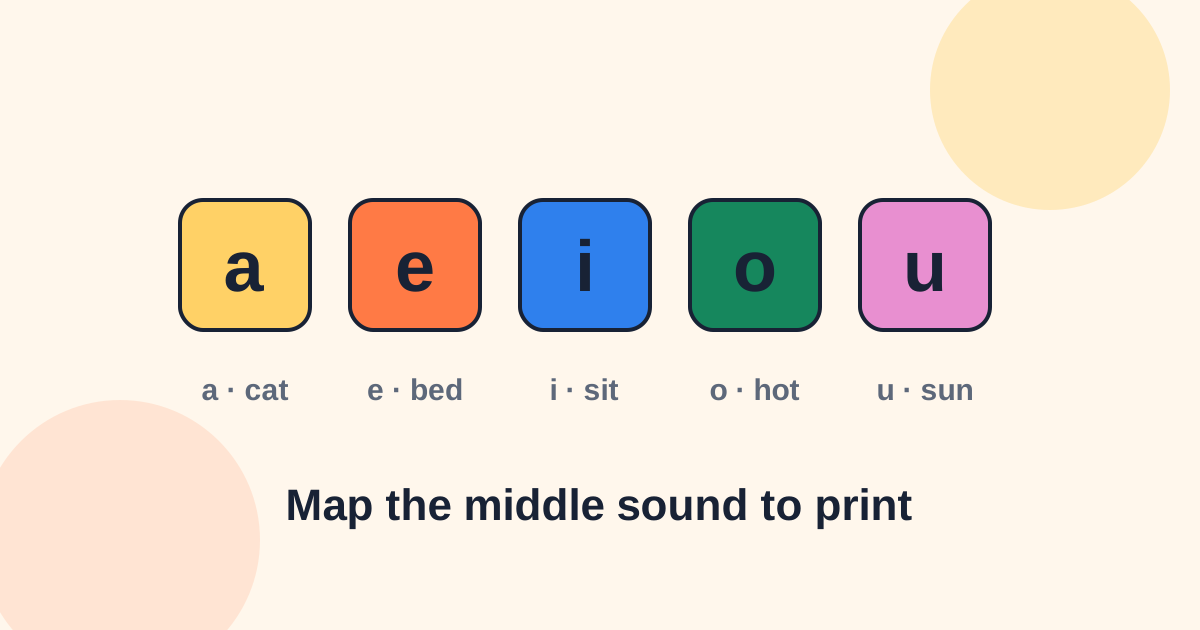
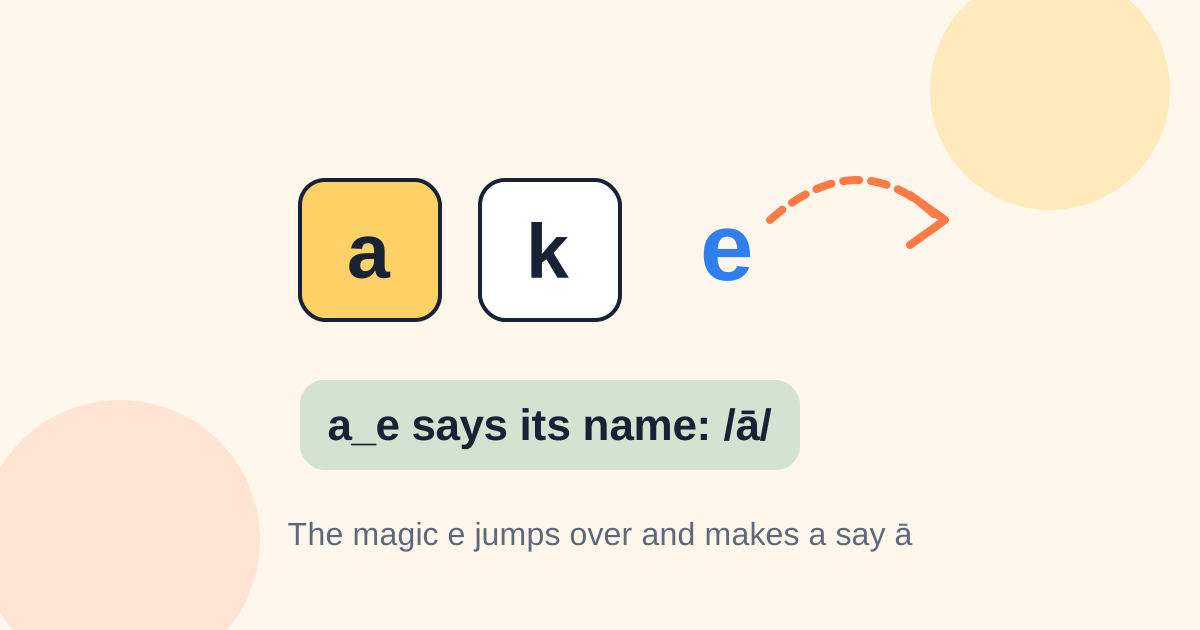
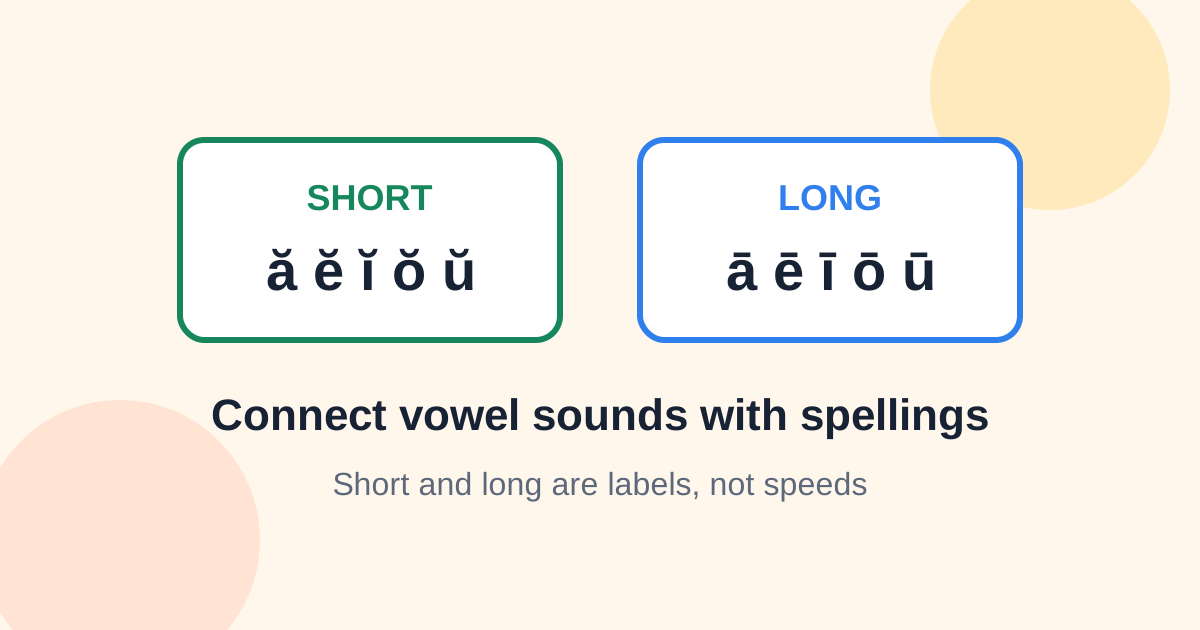
Compare short and long vowel sounds with clear examples, spelling-pattern cautions, a vowel-only word chain, and parent practice with answers.
A simple four-part daily phonics routine for parents: letter sounds, CVC word reading, sight words, and reading together, with suggested times for each part.
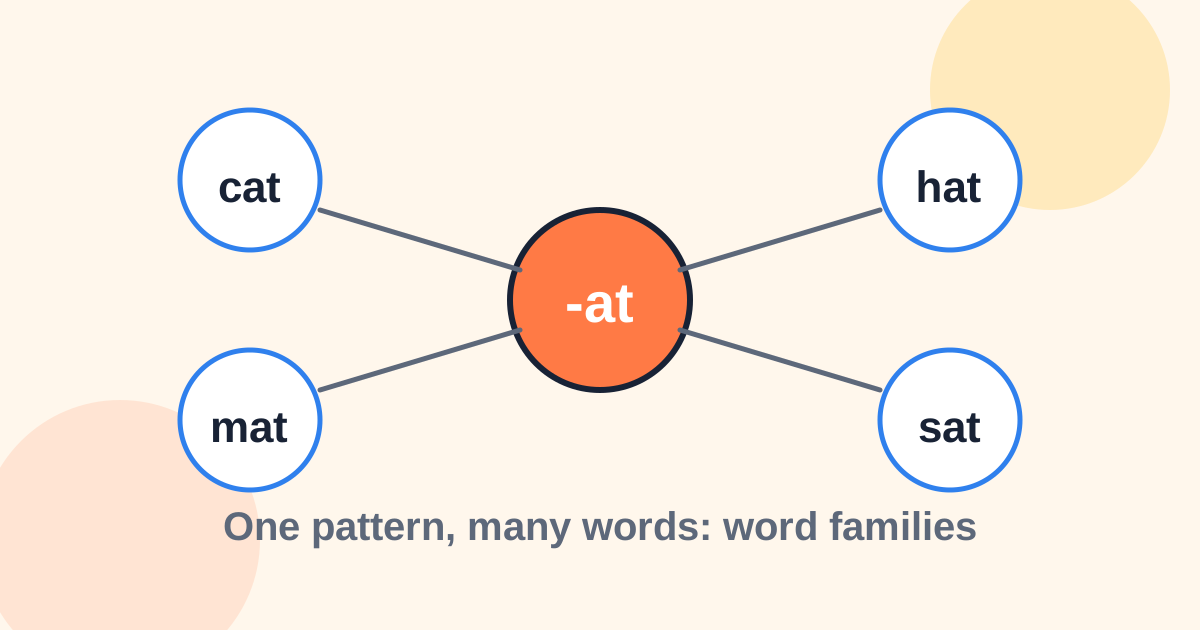
Explore word families with staged word lists, onset-rime examples, a read-sort-write practice page and answers, plus tips to prevent guessing from patterns.
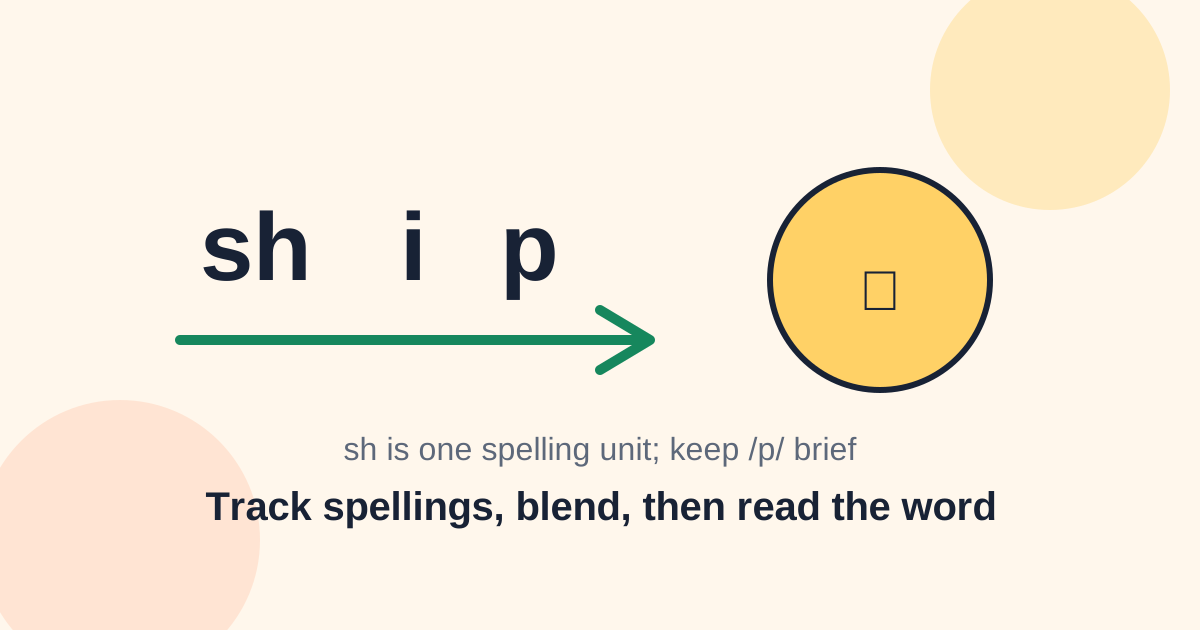
What is decoding in reading? Learn a sound-to-print routine, worked word examples, help with irregular spellings, and how to choose useful home reading practice.
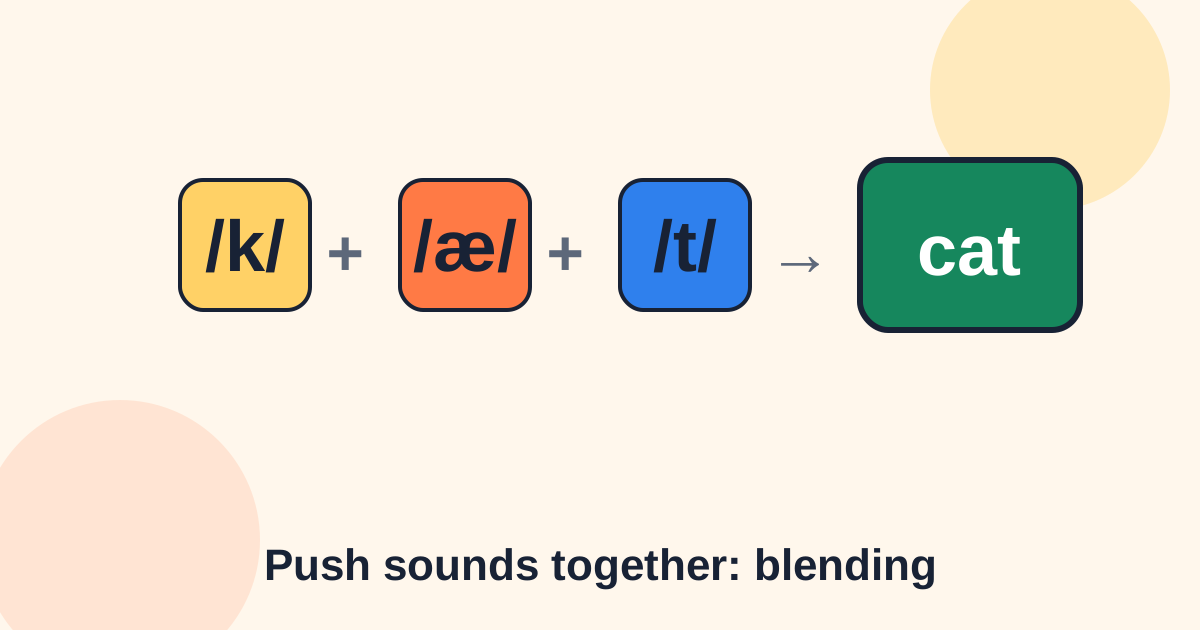
Help your child blend sounds into words with clear stop-sound models, suitable practice words, oral and printed activities, and a parent troubleshooting table.
Explore 100+ short vowel words for a, e, i, o, and u, organized by decoding difficulty with accurate teaching routines, word sorts, and parent tips.
Use accurate long-vowel word lists for silent e, vowel teams, and open syllables. Learn long-u sounds, position patterns, exceptions, and a no-guessing routine.
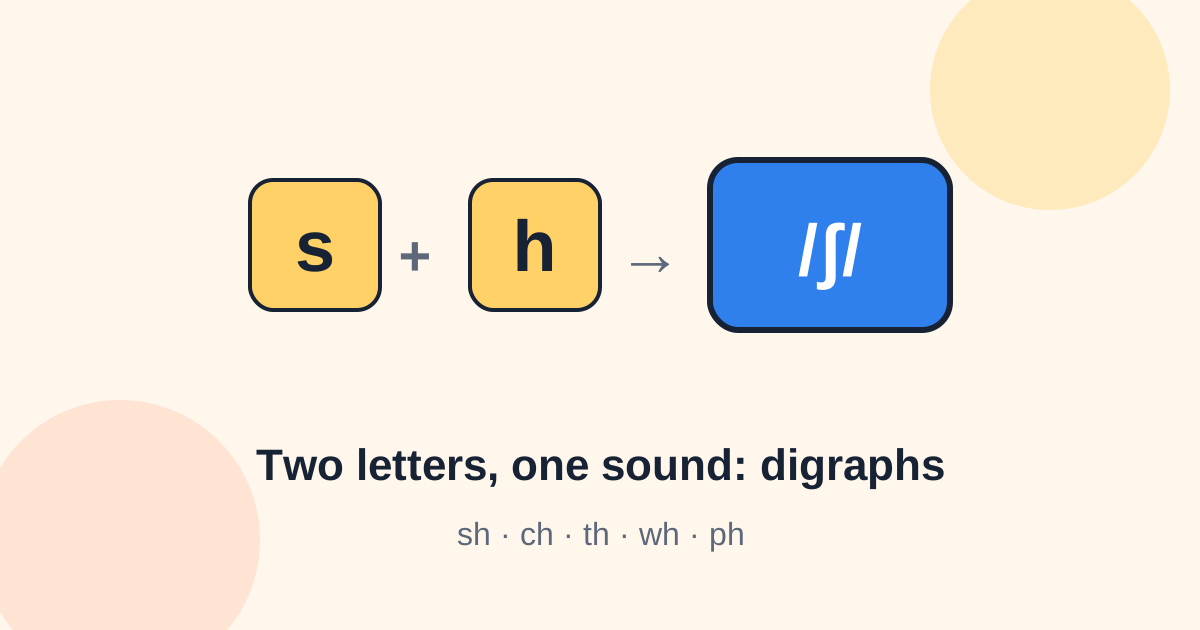
Learn how consonant digraphs differ from blends, why ck counts as one sound, and how to choose suitable words for reading, spelling, and sound-box practice.
Learn what phonemic awareness means, how it differs from phonics, and how parents can practice blending, segmenting, and sound games at home.
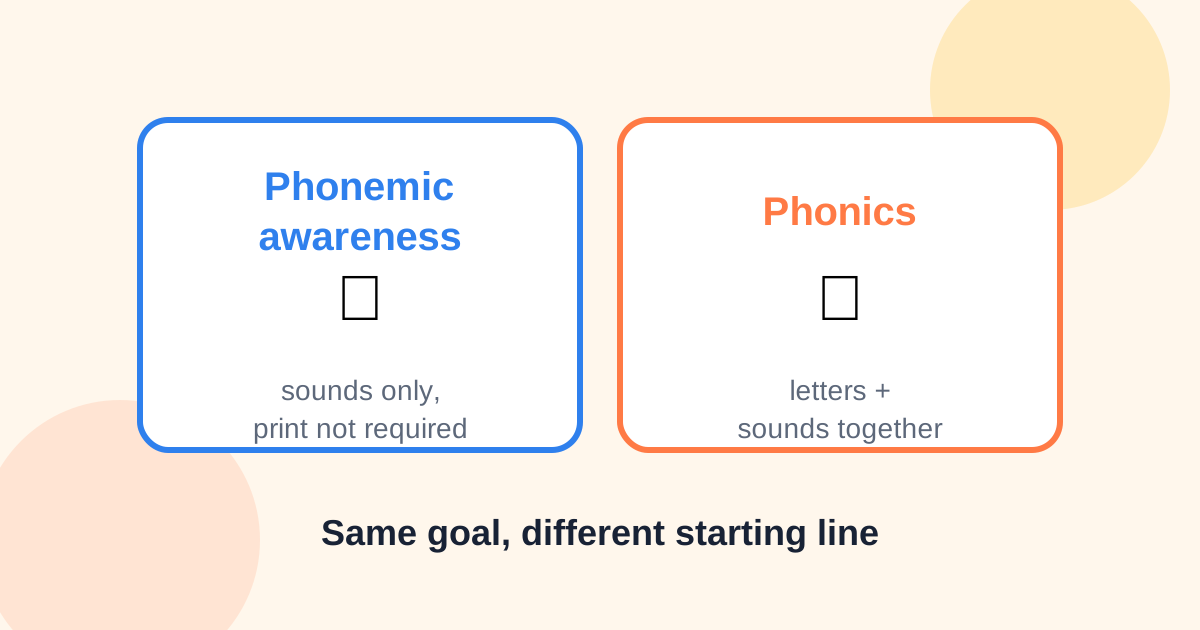
Phonemic awareness is hearing sounds in spoken words; phonics connects those sounds to printed letters. Learn the difference, plus activities and app-buying tips.
Compare the best phonics apps for struggling readers in 2026: what features actually help, honest picks by situation, and when to talk to the teacher.
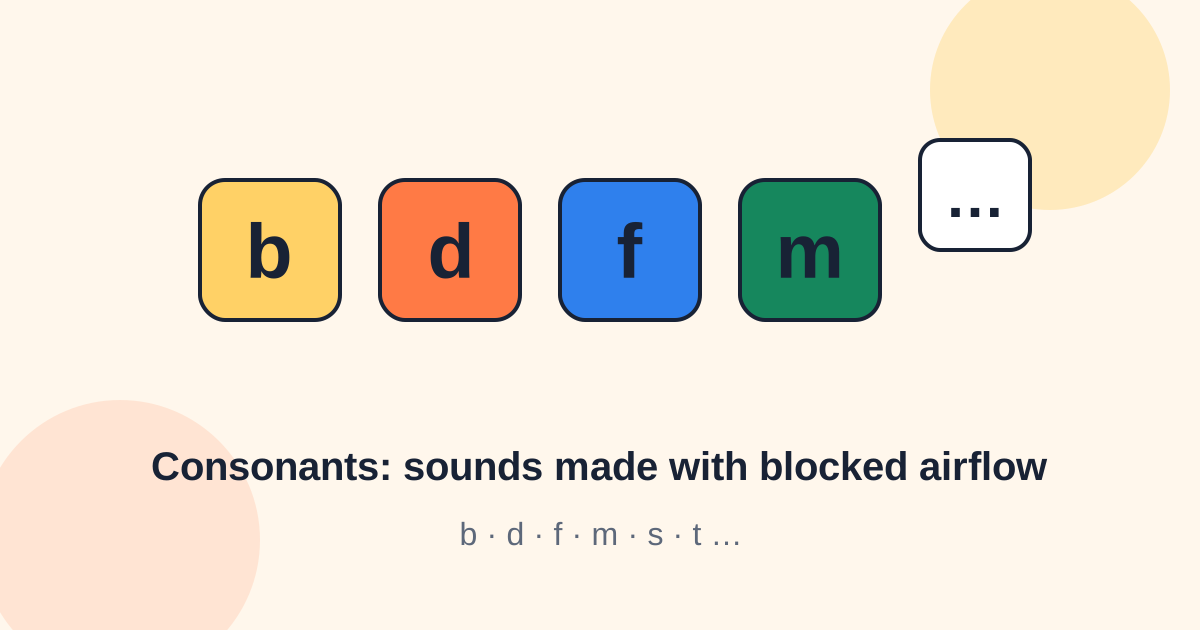
Learn what a consonant is, how consonant sounds differ from letters, and how parents can teach consonants with examples, CVC words, and simple practice steps.
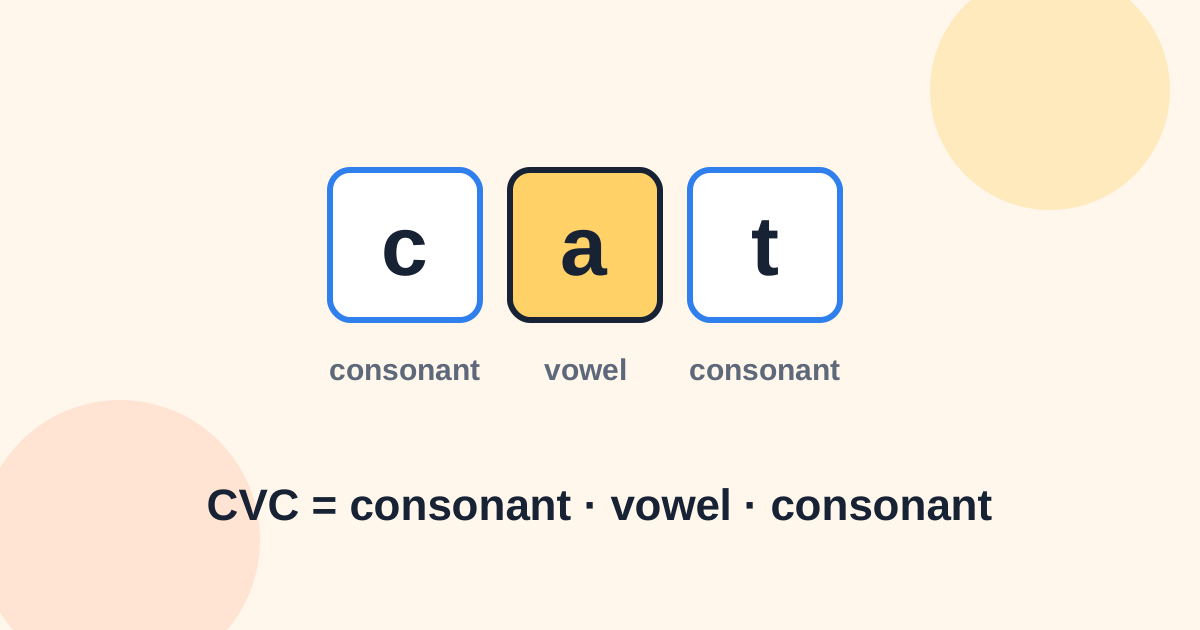
Teach CVC words with short-vowel examples, a clear blending routine, sound boxes, word chains, and practical help when a child knows sounds but cannot blend.
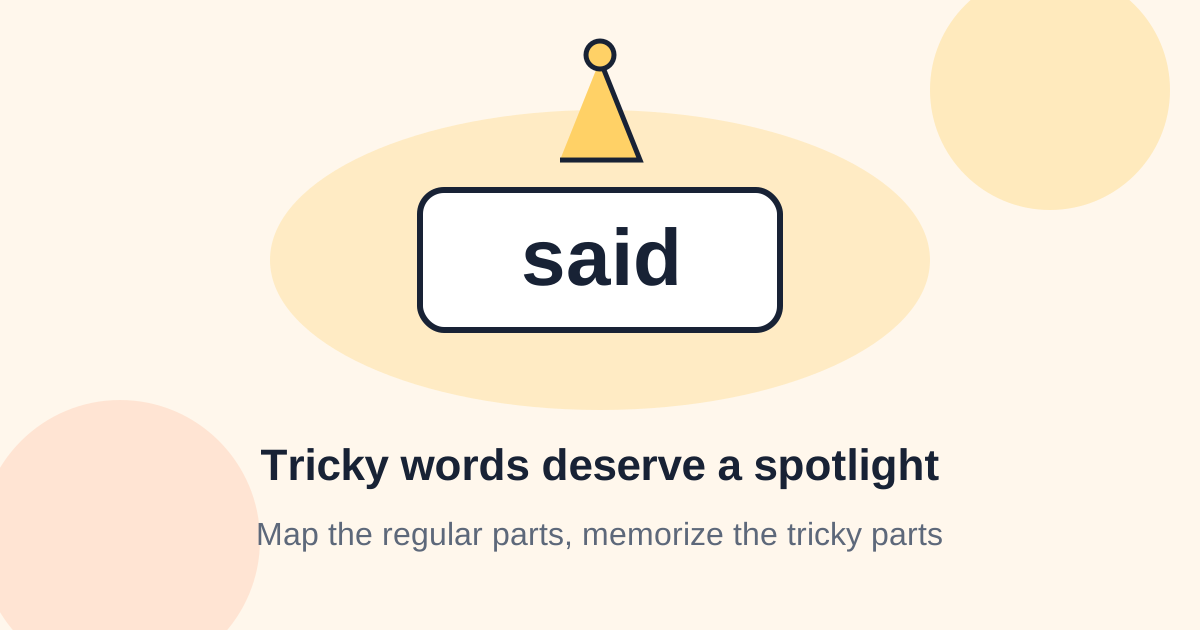
Learn what sight words are, how they differ from high-frequency words, and how to teach regular and tricky spellings with examples and a short home routine.
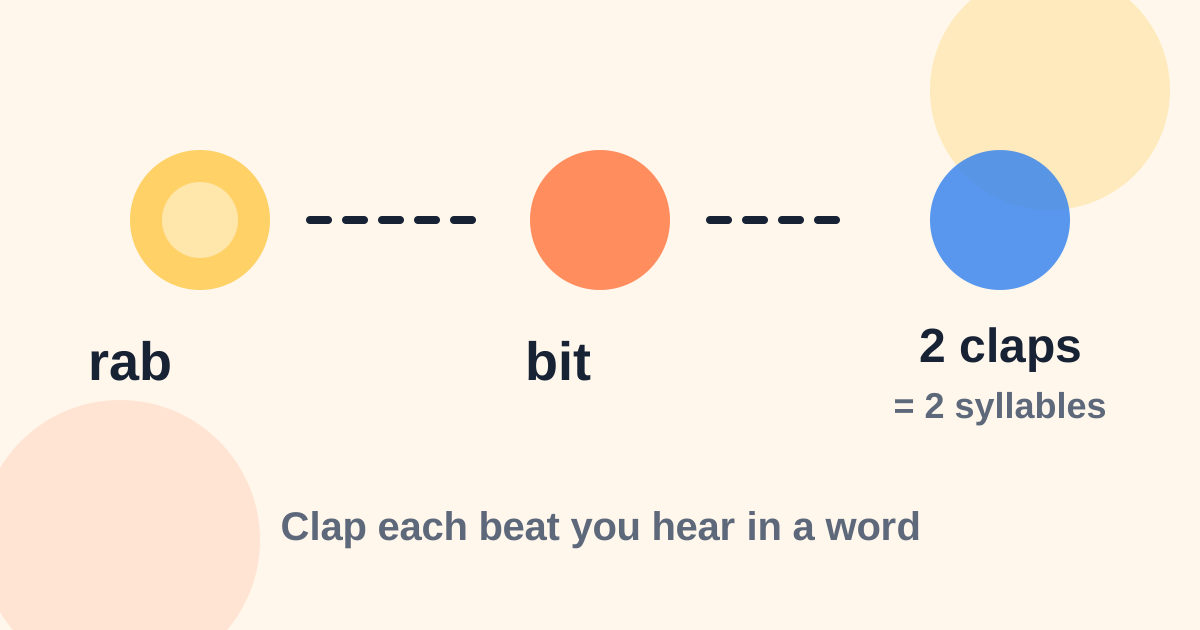
Learn what a syllable is, how to teach syllable counting with fun methods like clapping, and see 30+ example words broken into syllables.
No guides match these filters. Try a shorter search, choose All guides, or use Reset filters.
New to phonics? Our Phonics Basics path organizes the first sound-to-print skills. To understand the wider evidence framework, use the Science of Reading path for phonemic awareness, phonics, decoding, fluency, language, and comprehension.
One short, practical email a day for parents, with simple ideas you can try at home.